
Rentals & Leases
Renting and leasing across the Pittsburgh suburbs
Looking for a rental home in the North Hills, the airport corridor, or the South Hills? Or sitting on a property that would do better leased than listed? Both are the same job done from opposite sides of the table.
Shilpa handles the search, the screening, the lease, and everything in between — with the same attention she gives a sale.
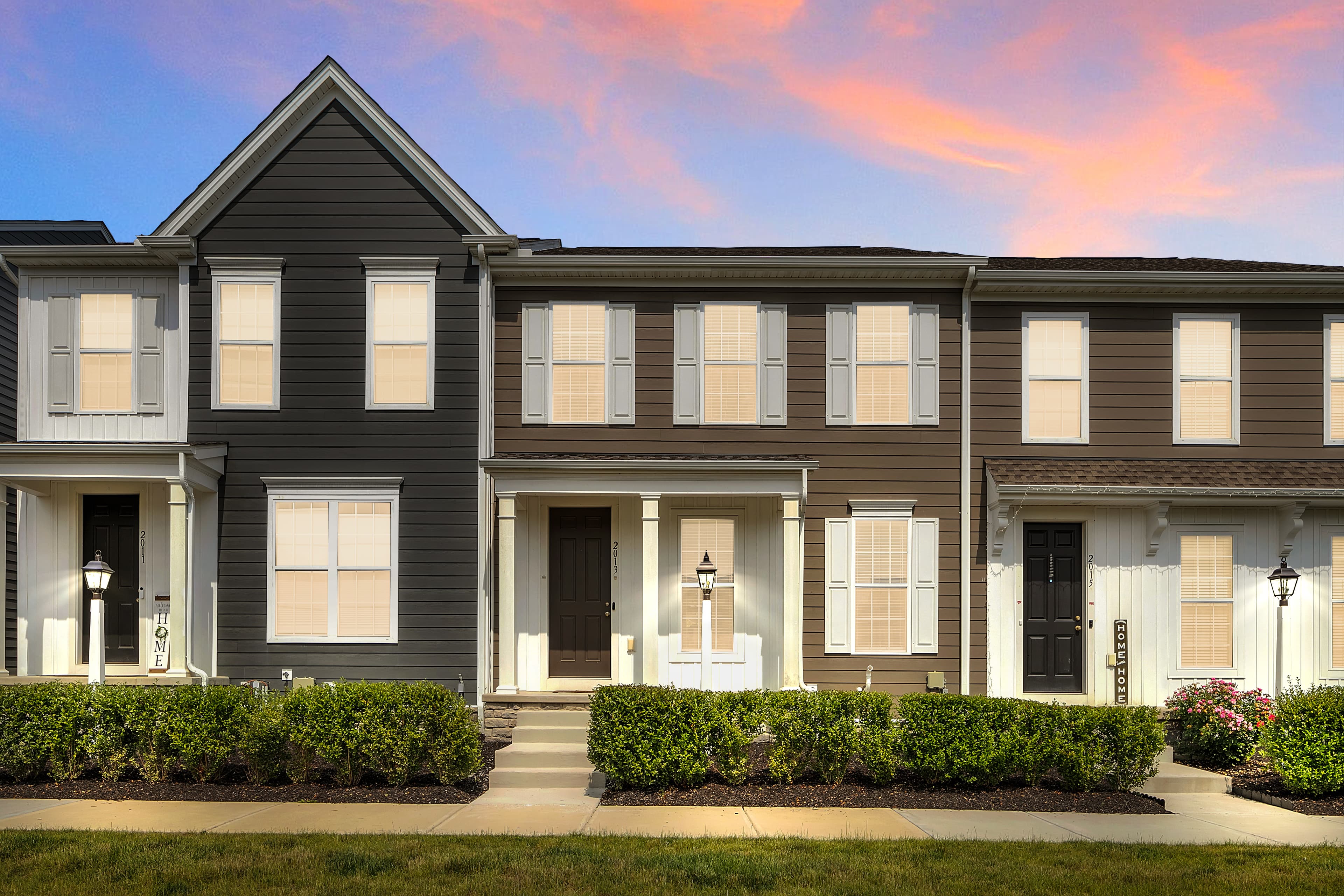
Townhome communities · North Hills
Pennsylvania rental rules at a glance
Figures reflect common Pennsylvania practice and the Landlord and Tenant Act. General information only — not legal advice.
Two Sides
One market, two very different conversations.
A tenant is trying to figure out whether a place is worth twelve months of their life. An owner is trying to figure out whether a stranger will treat their asset well. Those are not the same question, so they do not get the same answer.
For Renters
Finding a rental in the Pittsburgh suburbs
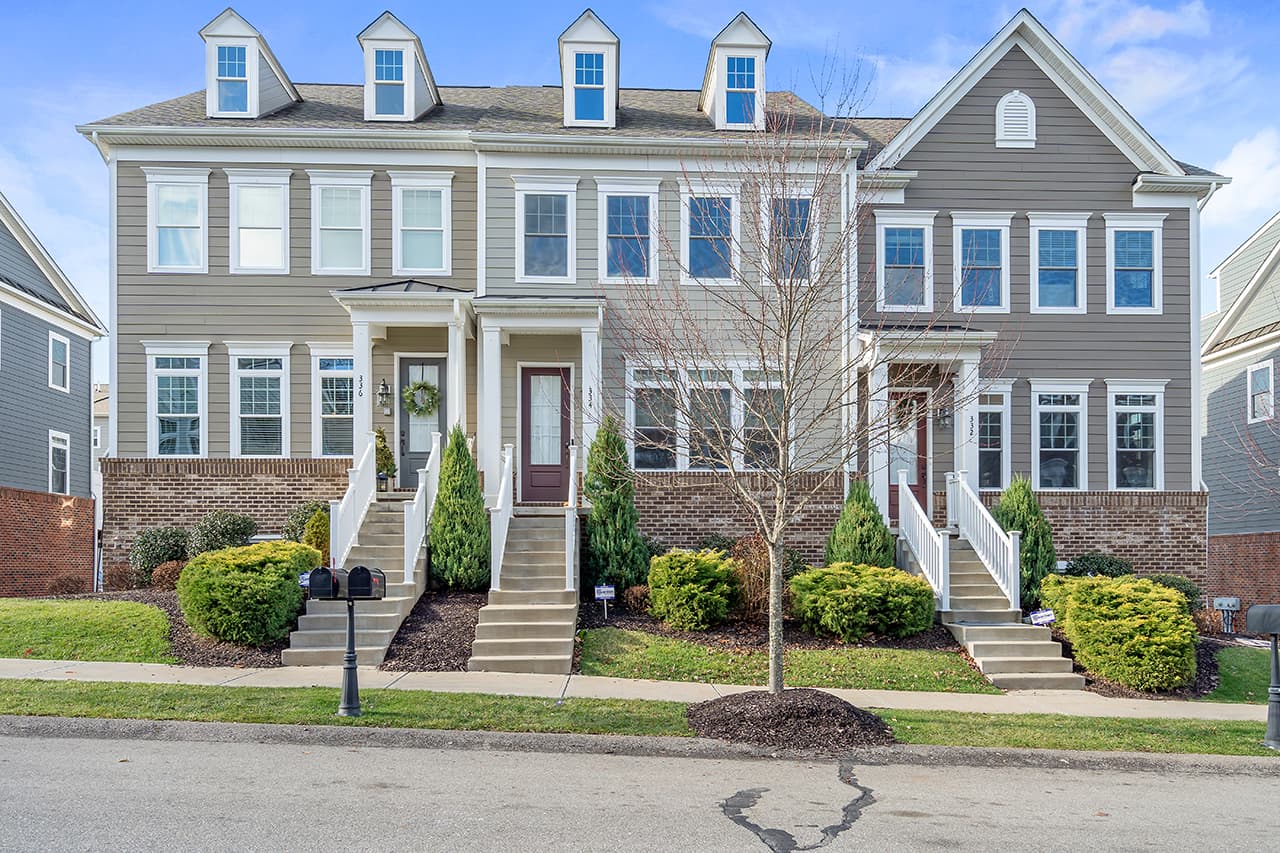
Suburban rental inventory around Pittsburgh is thinner than the listing sites suggest. A good townhome in Wexford or a single-family in Mt. Lebanon can be spoken for inside a week, and a fair share of what leases never gets syndicated at all — it moves through owners and property managers directly.
That is most of what Shilpa brings to a rental search: knowing which doors to knock on, and getting your file in front of a landlord before the listing has a queue.
- Active lease listings pulled from West Penn MLS, plus off-market inventory from the owners and property managers Shilpa already works with.
- Showings on your schedule — including recorded walkthroughs if you are relocating from another state or another country and cannot tour in person.
- A read of the lease before you sign it: automatic renewal clauses, who pays which utility, snow and lawn responsibility, pet and guest terms, subletting rules.
- The unglamorous local detail — commute at 7:40 a.m. rather than on paper, which school district the address actually falls in, where the street parks in a February snow emergency.
Step by Step
What the application actually looks like
Assemble the file first
Photo ID, the last two or three pay stubs or a signed offer letter, recent bank statements, and contact details for previous landlords. Having this ready before you tour is the single biggest advantage in a market where good rentals move in days.
Apply and get screened
Expect a credit pull, income verification against roughly a 3× standard, rental history, and an eviction and background check. Application fees around Pittsburgh generally run $35 to $75 per adult, charged per application rather than per household.
Sign the lease
Twelve months is the norm here. Pennsylvania caps the deposit at two months' rent in year one and one month's rent from year two forward. Read the renewal and notice clauses before signing — that is the paragraph people regret skipping.
Permits, keys, walkthrough
Many Allegheny and Butler County municipalities require an occupancy permit and inspection before a new tenant moves in. Utilities transfer, renters insurance goes in place, and you document the unit's condition in writing and photos on day one.
New to the U.S.
No U.S. credit history yet? That's a paperwork problem, not a dealbreaker.
If you arrived in Pittsburgh three weeks ago for a role at UPMC, Carnegie Mellon, or one of the firms out along the airport corridor, your credit file is empty. Empty is not the same as bad — the screening software simply has nothing to read, and an automated system will decline you for it.
The way around it is documentation, plus knowing which owners and property managers will actually look at a file instead of a number. Shilpa has placed relocating families and first-year professionals in the North Hills and the South Hills on exactly this basis.
Employment offer letter
A signed offer or employment contract from a U.S. employer often carries more weight with a landlord than a thin credit file. Bring the salary figure and the start date.
Visa and status documents
H-1B approval notice, I-20, EAD, or L-1 paperwork alongside your passport. A Pennsylvania license takes weeks after you arrive; a passport does the job in the meantime.
Proof of funds
Recent bank statements — including accounts held in your home country — showing you can comfortably carry the lease term.
Prepaid rent
Pennsylvania caps the security deposit, but prepaid rent is a separate line item. Offering several months upfront is a common and lawful way to close a landlord's confidence gap.
A U.S. co-signer
A relative or colleague with established U.S. credit who signs as guarantor. Standard practice for graduate students and recent arrivals.
Home-country credit report
Some owners will review a translated credit report or an international credit history report. It is worth asking rather than assuming the answer is no.
No Language Barrier
Deposits, co-signers, visa paperwork, what a landlord is allowed to ask for — you can go through all of it in whichever language you think in. Real conversations, not translated brochures.
- हिन्दी
- मराठी
- ಕನ್ನಡ
- English
For Owners & Landlords
The right tenant is worth more than the highest rent.
An extra seventy-five dollars a month is worth about nine hundred dollars a year. A tenant who stops paying in month five, or leaves the property in a condition that eats the deposit and then some, costs multiples of that — before you count the vacancy while you re-list.
So the work is front-loaded: price it honestly, screen consistently, and put the whole arrangement in a lease that Pennsylvania will actually back you on.
Tenant placement & screening
Professional photography, MLS and syndicated exposure, showings handled in person, and a complete screening file on every applicant: credit, income verified against a 3× standard, rental history, prior landlord references, and eviction and background checks run the same way for every applicant to stay squarely inside fair housing rules.
Lease drafting & PA compliance
A Pennsylvania Association of Realtors residential lease built around your property, with the disclosures that actually apply — lead-based paint for anything built before 1978, security deposit escrow and interest rules under the Landlord and Tenant Act, notice and renewal terms, and the municipal occupancy permit where your township requires one.
Pricing against real comps
Rent gets set against what has actually leased nearby, what is sitting unleased and why, and how the calendar affects it. Suburban Pittsburgh rental demand peaks between May and August with university turnover and corporate relocation. A lease that ends in January is a lease you re-list in the slowest month of the year.
Move-in and handover
A documented condition report with photographs, keys and codes, utility transfer, and a clean paper trail from day one — so the security deposit conversation at the end of the lease is a short one instead of a dispute.
A Third Option
Not every soft market calls for a price cut.
If your home isn't drawing the offer you want — or you're holding a mortgage rate you could never replace today — leasing it for a year or two is a legitimate strategy. You keep the asset, cover the carrying costs, and re-list when the market is on your side rather than against it.
Considering selling instead? Start with a free home valuation.
It isn't free money, though, and you should hear the tradeoffs from your agent now rather than from your accountant in April:
- Vacancy is the real cost. One empty month erases a meaningful slice of the year's return, and turnover between tenants is never free.
- You take on a landlord's obligations — repairs, habitability, deposit escrow, and the notice rules in the Landlord and Tenant Act.
- The capital gains exclusion runs on a clock. The IRS generally requires you to have lived in a home for two of the five years before the sale to exclude the gain. Rent it out long enough and that window closes. Ask your CPA before you decide, not after.
- Financing and insurance change. A homeowner's policy has to become a landlord policy, and some mortgages carry occupancy terms worth re-reading.
Where I Work
North, west, and south of the city
North Hills & Butler County
- Wexford
- Cranberry Township
- Franklin Park
- Marshall Township
- Pine Township
- McCandless
- Bradford Woods
- Ross Township
- Sewickley
Airport Corridor & West
- Moon Township
- Robinson Township
- North Fayette
- Findlay Township
- Coraopolis
- Imperial
- Kennedy Township
South Hills
- Mt. Lebanon
- Upper St. Clair
- Peters Township
- Bethel Park
- South Fayette
- South Park
- Castle Shannon
Not on the list? Ask anyway. Coverage follows where clients are moving, and it changes.
Browse Neighborhood Guides →Common Questions
Rentals and leases, answered
Do renters pay a fee to work with you?
It depends on the listing. On many rentals the owner or property manager pays the leasing commission, and the tenant pays nothing beyond the landlord's own application fee. On others — private landlords in particular — the arrangement is different. Whatever it is for a given property, you will know the exact number in writing before you tour or apply. Nothing about compensation gets discovered at the signing table.
How much can a landlord charge for a security deposit in Pennsylvania?
Under Pennsylvania's Landlord and Tenant Act, a landlord may not require more than two months' rent as a security deposit during the first year of a lease, and no more than one month's rent from the second year onward. Deposits over $100 held longer than two years must be kept in an escrow account that pays the tenant interest. After you move out, the landlord has 30 days to return the deposit or provide a written, itemized list of damages. This is general information, not legal advice — confirm specifics with an attorney.
Can I rent a home in Pittsburgh without U.S. credit history?
Yes, though it takes more paperwork and the right landlord. An empty credit file is common for people who moved to the U.S. recently, and it is not the same as bad credit — the screening tool simply has nothing to read. Signed employment offer letters, visa and status documents, bank statements including home-country accounts, prepaid rent, a U.S.-based co-signer, and translated home-country credit reports are all used to fill the gap. Shilpa knows which owners and property managers in the North, West, and South suburbs will review alternative documentation rather than auto-declining on score alone.
What credit score and income do Pittsburgh-area landlords look for?
There is no legal standard — every landlord sets their own. In practice, a credit score in the low-to-mid 600s and gross monthly income of roughly three times the rent are the most common thresholds around Pittsburgh, along with rental history and an eviction and criminal background check. Application fees typically run $35 to $75 per adult. A thin or borderline file can often be offset with a co-signer, additional prepaid rent, or stronger income documentation.
How long is a typical lease in the Pittsburgh suburbs, and what happens at the end?
Twelve months is the standard term, though six-, eighteen-, and twenty-four-month leases all exist. At the end you renew, convert to month-to-month if the lease allows it, or move out. Notice requirements are almost always spelled out in the lease itself — commonly 30 to 60 days before the end date — and automatic renewal clauses are common enough that you should know your notice date the day you sign. Where a lease is silent, Pennsylvania's default notice rules apply.
Should I rent out my house instead of selling it?
Sometimes. If your home is not drawing the offer you want, or you are holding a mortgage rate you could not replace today, leasing for a year or two lets you keep the asset and re-list on better terms. The tradeoffs are real: vacancy costs, landlord obligations under the Landlord and Tenant Act, a homeowner's policy that has to become a landlord policy, and the IRS rule that generally requires you to have lived in a home two of the five years before the sale to exclude capital gain. Shilpa will walk through the numbers on your specific property, and will tell you when selling is the better call.
General information about Pennsylvania rental practice — not legal or tax advice. Lease terms, municipal permits, and tax treatment vary by property; consult an attorney or CPA about your situation.
Let's Talk
Tell me which side of the lease you're on.
Whether you need a place by the first of next month or you're weighing whether to lease a property instead of listing it, a conversation costs nothing and usually saves something.